May 19, 2026
Energy efficiency often starts with the parts of a home that are easiest to overlook. Small gaps around rim joists, crawl spaces, attics, basements, garages, and wall penetrations can allow conditioned air to escape while letting outdoor air, moisture, and dust move inside. Foam sealing helps close those weak points so the home can hold a more consistent temperature and place less strain on heating and cooling equipment. For homeowners comparing upgrades, local insulation contractors can make the process more practical because they understand common building styles, seasonal weather patterns, and comfort concerns in the area. This kind of service can be especially helpful when a home feels uncomfortable even after routine HVAC maintenance, window repairs, or thermostat adjustments.
Improving Comfort Through Better Air Control
Air movement has a major effect on how comfortable a home feels from one room to the next. Even when an HVAC system is working properly, hidden leaks can cause cold floors, drafty bedrooms, humid rooms, and uneven temperatures. Foam sealing expands into cracks and gaps, creating a tighter barrier than many traditional materials can provide in hard-to-reach areas.
Homeowners can rely on local insulation contractors to identify where unwanted air is most likely entering or leaving the home. These areas may include attic hatches, crawl space openings, pipe penetrations, recessed lighting areas, sill plates, and unfinished basement edges. Addressing these weak points helps rooms feel more balanced during hot summers and cold winters. Instead of constantly adjusting the thermostat, homeowners can enjoy a steadier indoor environment throughout the day.
Reducing Energy Waste With Targeted Sealing
Energy waste often happens quietly. A home may look well-maintained from the outside but still lose conditioned air through small openings hidden behind walls, under floors, or above ceilings. According to ENERGY STAR, sealing leaks and adding insulation can reduce heating and cooling costs by 15%. That kind of improvement shows why air sealing and insulation should be viewed as connected upgrades rather than separate concerns.
During an evaluation, local insulation contractors can review where foam sealing will make the biggest difference before recommending a solution. Some homes need attic improvements, while others benefit more from crawl space sealing, basement rim joist insulation, or garage-related upgrades. A targeted approach helps prevent unnecessary work while focusing attention on the areas that affect comfort and efficiency most. Over time, this can help the HVAC system operate with less demand and reduce wasted energy. It can also help homeowners feel more confident that the upgrade is addressing the source of the problem instead of covering up symptoms.
Supporting HVAC Performance Through Stronger Barriers
Heating and cooling systems are designed to condition the air inside a home, but they have to work harder when that air escapes too quickly. Air leaks can make equipment run longer, cycle more often, and struggle to keep up during extreme temperatures. Foam sealing creates stronger thermal and air barriers, helping the system maintain the temperature set on the thermostat.
Professional local insulation contractors understand that insulation performance depends on more than the amount of material installed. Placement, coverage, air movement, and moisture exposure all matter. For example, insulation in an attic may not perform as expected if warm air from the living space continues leaking upward through ceiling gaps. By sealing the leaks first, the insulation can do its job more effectively. This can also help homeowners get better value from existing HVAC equipment, especially when the system is still in good working condition.
Managing Moisture and Indoor Air Concerns
Air leaks do more than affect temperature. They can also allow moisture, outdoor allergens, dust, and odors to enter the home. In crawl spaces and basements, uncontrolled air movement may contribute to musty smells or damp conditions. While foam sealing is not a replacement for proper ventilation, drainage, or humidity control, it can support a cleaner and more controlled building envelope.
An inspection from local insulation contractors can reveal signs that moisture may be moving through gaps or poorly sealed areas. Contractors can also explain where foam sealing may help and where other repairs may be needed first. For instance, a water intrusion issue should be addressed before insulation work begins. When the home is properly prepared, foam sealing can help reduce the pathways that allow damp outdoor air to affect interior spaces. That added control can contribute to better comfort and a more stable indoor environment.
Strengthening Hard-to-Reach Areas
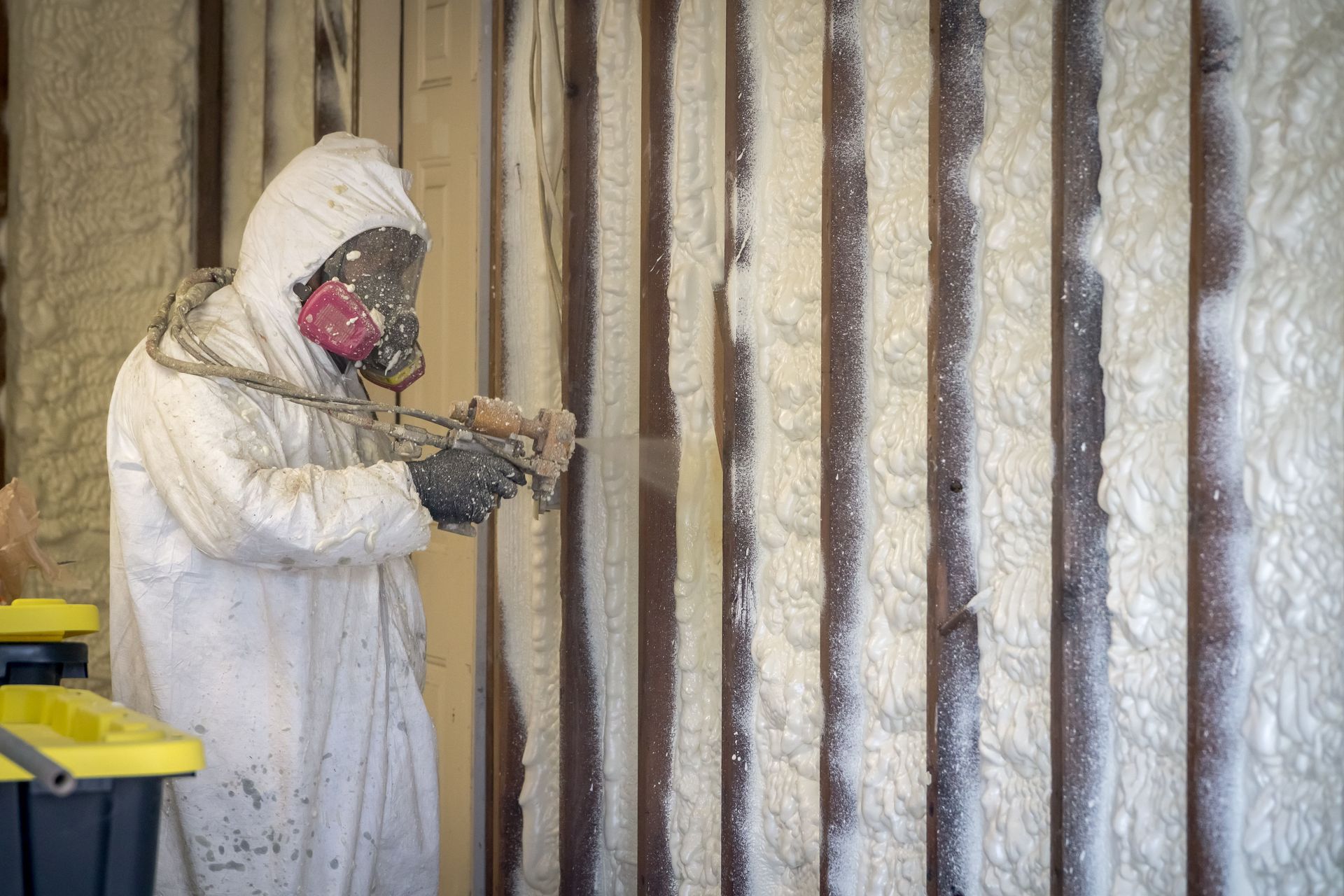
Many homes have areas that are difficult to insulate with standard materials. Rim joists, irregular framing cavities, crawl space edges, attic corners, and utility penetrations often require a more flexible approach. Foam can expand to fill small voids and create a custom fit around uneven surfaces, making it useful for spaces where gaps are common.
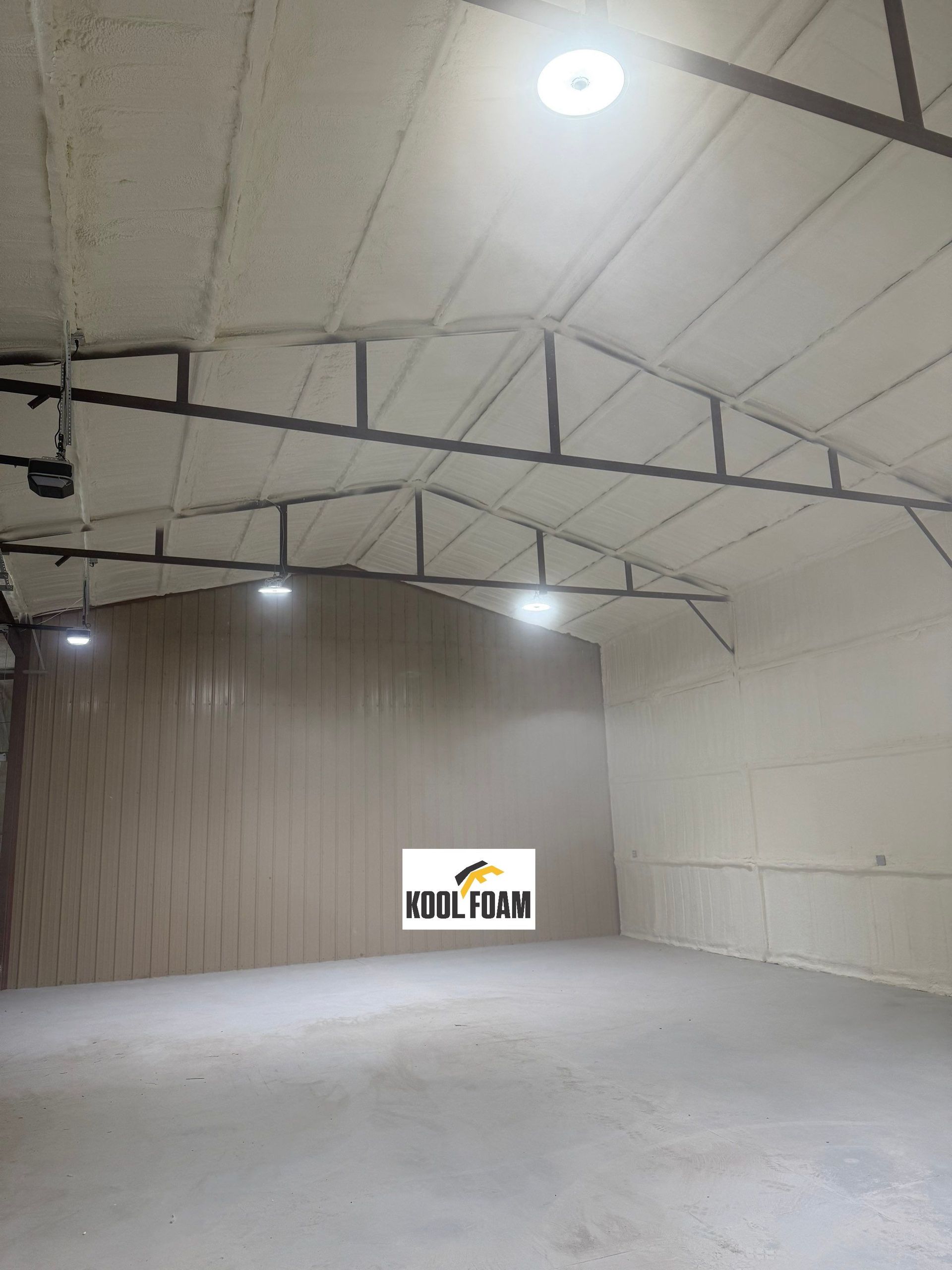
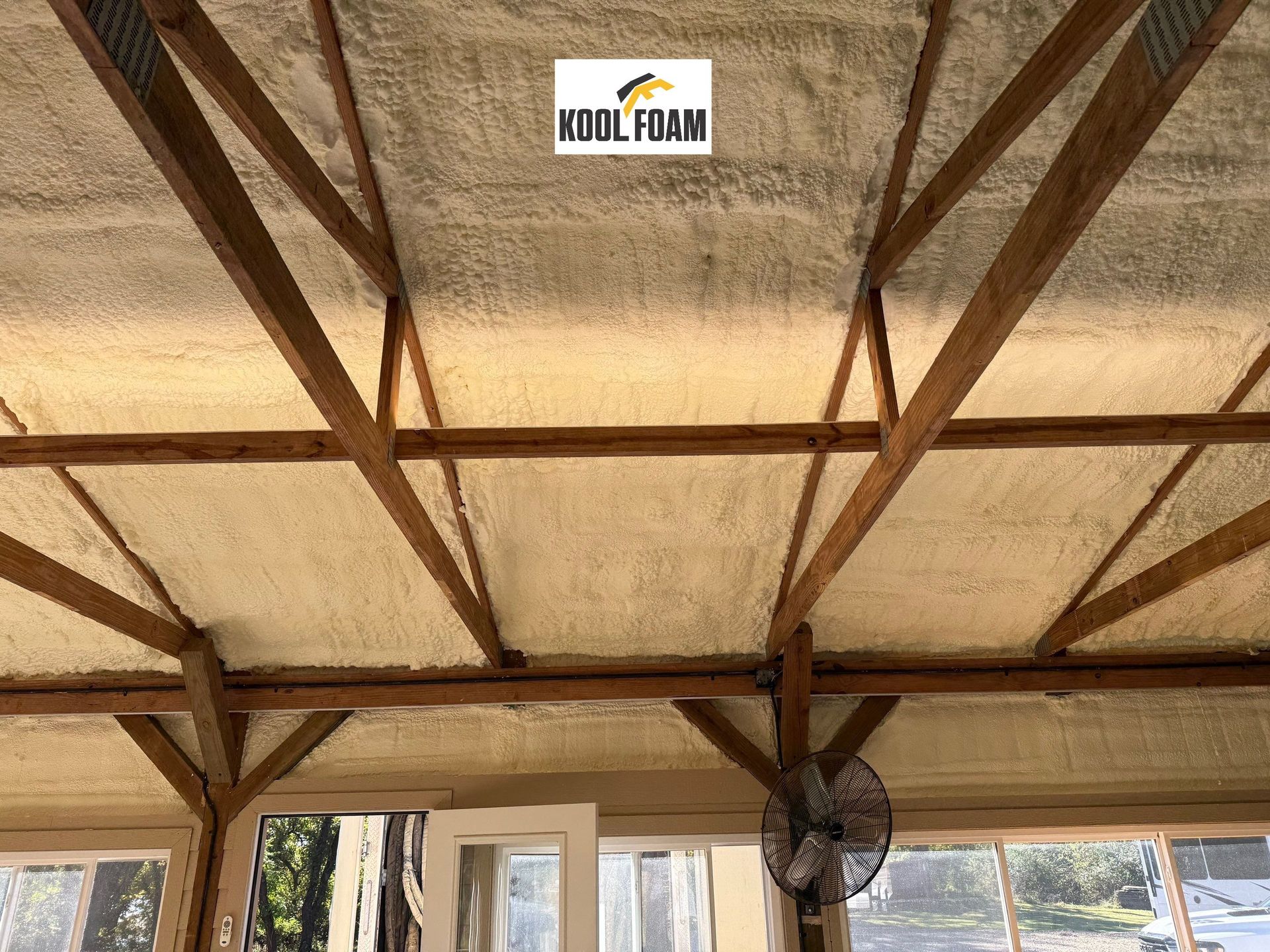
For these complex areas, local insulation contractors can determine whether open-cell or closed-cell foam is appropriate for the project, depending on the location, performance goals, and budget. Closed-cell foam can provide a denser barrier and may be helpful in certain moisture-prone or space-limited areas. Open-cell foam may be used in other applications where expansion and sound reduction are priorities. Choosing the right product matters because every home has different needs. Professional installation helps ensure the foam is applied at the correct thickness and in the proper areas.
Protecting Long-Term Home Value
Comfort upgrades can also support long-term property value by improving how the home functions every day. Buyers and homeowners alike often notice drafts, uneven rooms, high utility bills, and uncomfortable spaces. Foam sealing helps address these concerns by improving efficiency, supporting HVAC performance, and making the home feel more complete.
Experienced local insulation contractors can help homeowners plan improvements in the right order. For example, sealing attic leaks before adding more insulation can prevent warm air from bypassing the new material. Sealing crawl spaces before finishing floors may help prevent comfort issues later. These decisions can make home improvement investments more effective because the work is based on how the structure actually performs. A well-sealed home can feel more comfortable, use energy more efficiently, and require fewer repeated adjustments to stay livable.
Choosing Professional Help for Better Results
Foam sealing requires more than filling visible cracks. The installer must understand building science, ventilation needs, material behavior, safety steps, and the relationship between insulation and air movement. Applying too little material may leave gaps behind, while applying it incorrectly can reduce performance or create avoidable issues. That is why professional evaluation and installation matter.
Homeowners can turn to local insulation contractors for recommendations based on the home’s age, layout, problem areas, and goals. They can inspect common leakage points, explain the best options, and help homeowners understand what to expect before the work begins. This guidance is especially useful for homeowners who are unsure whether their discomfort comes from poor insulation, air leakage, HVAC problems, or a combination of factors.
Foam sealing is a practical way to improve comfort, reduce wasted energy, and make a home perform more efficiently. For busy households, that can mean fewer drafts, steadier rooms, and a home that feels easier to manage. By closing hidden gaps and strengthening the building envelope, homeowners can create a more consistent indoor environment throughout the year. Call Kool Foam LLC today to schedule your foam sealing service.