January 12, 2026
Indoor air quality is often overlooked in the hustle of daily life, yet it plays a critical role in our health and overall well-being. Many homeowners assume that the air inside their homes is inherently safe, but invisible pollutants, allergens, and moisture issues can compromise indoor environments in ways that are not immediately apparent. Recognizing these hidden risks requires expertise, advanced equipment, and a systematic approach.
Experienced air quality testing companies offer homeowners the insights needed to make informed decisions about their indoor environments. From detecting airborne pollutants to evaluating humidity levels, these professionals uncover issues that may otherwise go unnoticed, helping prevent potential health concerns and property damage. Exploring how these companies operate provides valuable clarity about the processes and technology behind accurate indoor assessments.
Detecting Indoor Air Pollutants
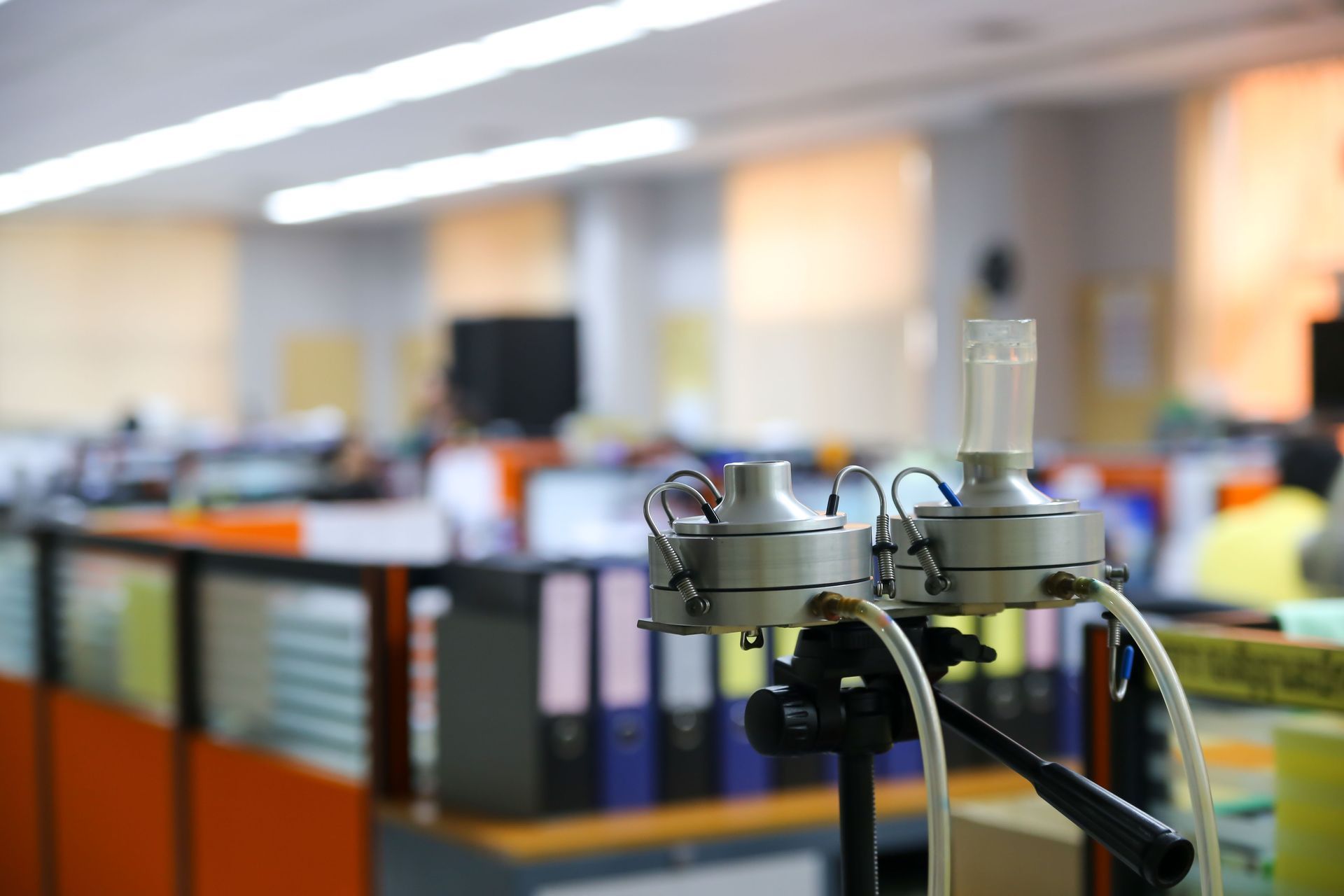
The first step in identifying hidden risks is detecting pollutants that are present in indoor air. Air quality testing businesses use specialized instruments to measure concentrations of common contaminants such as radon and particulate matter. These pollutants can originate from a variety of sources, including household appliances, outdoor air infiltration, and construction materials. By quantifying their presence, technicians can assess whether indoor air is safe or if remediation is necessary.
Air sampling often involves using high-efficiency particle counters and gas analyzers to collect data in multiple areas of a property. This process ensures that both obvious and hard-to-detect pollutants are accounted for, providing a complete picture of air quality. Many homeowners are unaware that indoor air can sometimes be more polluted than outdoor air, making these assessments particularly important.
Detecting indoor pollutants is not only about immediate safety but also about long-term health. Chronic exposure to low-level contaminants can trigger respiratory issues, aggravate allergies, and reduce overall comfort. Air quality testing companies empower homeowners with data to make meaningful changes that improve their living environment.
Identifying indoor pollutants allows homeowners to take targeted action, such as improving ventilation, upgrading filtration systems, or addressing specific contamination sources. By knowing exactly what's in the air, families can prevent potential health problems before they arise.
Testing for Mold and Allergens
Mold and allergens are among the most common hidden risks within homes, and their presence can be subtle yet impactful. Air quality testing professionals employ various methods to detect mold spores, dust mites, pollen, and other allergens that can compromise indoor air. These methods may include surface swabs, air sampling, and microscopic analysis to determine both the type and concentration of contaminants.
According to the Cleveland Clinic, around 20 million Americans are allergic to dust mites. This statistic underscores the importance of allergen testing, especially for households with children, elderly individuals, or anyone prone to respiratory issues. Identifying allergen hotspots in a home allows homeowners to take corrective measures, such as improving ventilation, deep cleaning, or installing high-efficiency air filters.
Mold testing is equally critical because moisture issues often go unnoticed until visible growth appears. Professional air quality testing companies can detect mold behind walls, under flooring, or in HVAC systems, revealing problems before they escalate into structural damage or health hazards. Different mold types can have varying effects on health, making accurate identification essential for proper remediation.
Addressing mold and allergens can reduce the risk of asthma attacks, allergic reactions, and other respiratory complications. Partnering with professionals enables homeowners to gain both peace of mind and actionable insights, ensuring that their living spaces remain safe and comfortable throughout the year.
Measuring VOC Levels
Volatile organic compounds, or VOCs, are chemicals that easily evaporate into the air from common household products like paints, cleaning agents, and furniture finishes. Even at low levels, VOCs can contribute to headaches, nausea, and long-term health issues, making their detection a priority for indoor air quality assessments. Air quality testing companies employ gas chromatography and other advanced techniques to measure VOC concentrations, identifying potential sources and assessing exposure risks.
Routine VOC testing is particularly valuable in new constructions or recently renovated homes. Paints, adhesives, and synthetic materials can off-gas harmful compounds for months, affecting indoor air quality without any visible indicators. Professional testing ensures that these invisible pollutants are accounted for and addressed appropriately.
Data collected from VOC measurements enables homeowners to implement effective mitigation strategies. Options include increasing ventilation, using low-emission products, or installing air purification systems specifically designed to reduce chemical pollutants. By taking these steps, homeowners can significantly lower VOC exposure and improve the overall safety of their living environment.
Monitoring VOC levels also helps maintain regulatory compliance in commercial or shared spaces. Certain VOCs are regulated by health and safety standards, making accurate measurement essential for avoiding legal or environmental issues. Air quality testing professionals ensure that both residential and commercial properties meet these standards, safeguarding occupant health.
Analyzing Humidity and Moisture
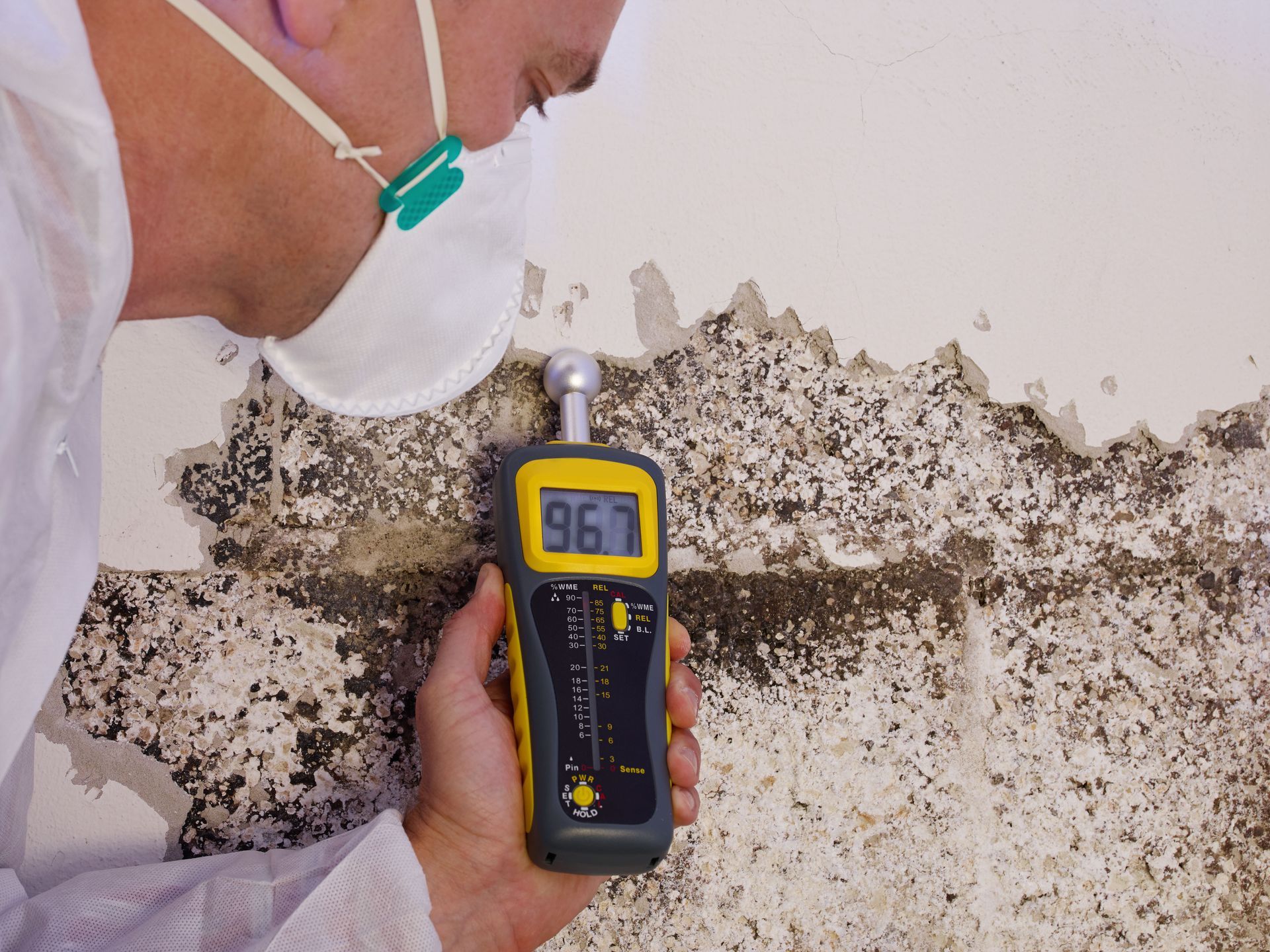
Excessive humidity and moisture can quietly wreak havoc on a property, creating conditions conducive to mold growth, wood rot, and dust mite proliferation. Air quality testing companies use moisture meters, hygrometers, and thermal imaging cameras to assess humidity levels throughout a home, identifying areas at risk before visible damage occurs.
Identifying moisture patterns is particularly important in regions with high rainfall or seasonal fluctuations. Hidden leaks, condensation in basements, or poor ventilation can all contribute to persistent dampness, fostering an environment where allergens and mold thrive. By measuring humidity, professionals can recommend corrective actions such as dehumidifiers, improved ventilation, or repairs to structural leaks.
Humidity analysis is also closely tied to occupant comfort. Too much moisture can make interiors feel clammy, while overly dry conditions may irritate skin and respiratory passages. Properly calibrated humidity control balances comfort with health, creating an indoor environment that is both pleasant and safe.
Additionally, proactive moisture monitoring protects the long-term integrity of the property. Detecting hidden moisture issues early prevents costly repairs and preserves the value of a home. Air quality testing businesses not only identify problems but also provide guidance on preventing recurrence, ensuring that homeowners can enjoy a healthy and structurally sound living space.
Hidden air quality risks in homes and commercial properties are often invisible yet pose significant threats to health and comfort. From pollutants and VOCs to mold and moisture, a variety of factors can compromise indoor air without being immediately obvious. Air quality testing companies play a crucial role in uncovering these issues and crafting actionable solutions that help homeowners create safer living environments.
By investing in professional air quality testing, individuals gain insight into the unseen hazards that affect their daily lives. Accurate detection, measurement, and analysis allow for targeted interventions that improve air quality, enhance comfort, and prevent long-term health and property problems. These services empower homeowners to breathe easier and enjoy a healthier, more resilient home.
When it comes to indoor air quality, ignorance is far from bliss. Understanding and addressing hidden risks early ensures a safer environment for families, reduces the likelihood of costly repairs, and contributes to overall well-being. Air quality testing contractors have the expertise, tools, and knowledge necessary to detect issues that may otherwise go unnoticed, offering peace of mind and a clear path to healthier living spaces.
As a leader among air quality testing companies, Kool Foam LLC is ready to help you identify hidden risks and keep your home’s air safe and healthy. Reach out to our team today to take the first step toward clean indoor air.